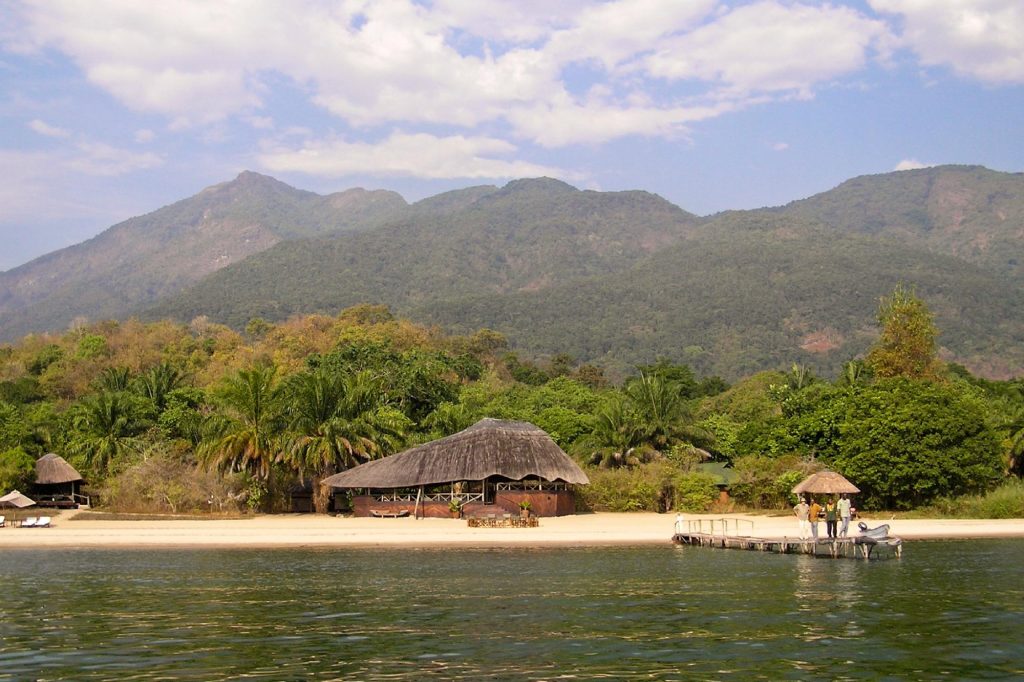
How to Get to Mahale Mountains National Park
You get to Mahale Mountains National Park by light aircraft or by boat, never by road, with the two main options being a scheduled charter from Arusha to an airstrip near the park boundary or a commercial flight to Kigoma followed by lake transport south. Fly-in packages on a Mahale chimpanzee trekking safari typically run on Mondays and Thursdays in season. Mahale Mountains National Park sits on the eastern shore of Lake Tanganyika in western Tanzania, with no roads inside its boundaries.
Whichever route you pick, the last leg is on water. That is not a quirk of the itinerary; it is the only way in.
Fly-In Safari Routes From Arusha and the Northern Circuit
This is how most visitors arrive. The operators running camps inside Mahale schedule shared charter flights in conjunction with their bookings, and during the peak months these run on set days, most commonly Mondays and Thursdays.
Departures start at Arusha and can pick up passengers at other northern airstrips along the way, including Lake Manyara and the Serengeti, which is useful if you are finishing a northern circuit trip. The aircraft frequently calls at Katavi National Park on the same rotation, which is the practical reason the seven night Mahale and Katavi pairing exists.
Flight time from Arusha runs several hours with stops. You land at an airstrip near the park boundary, then transfer by boat along the shoreline to your camp. Book this as part of a package rather than trying to assemble it yourself, because the seats are tied to the camps.
The scheduling reality: if the flights run Mondays and Thursdays, your stay is three nights or four nights, not two and not five. Private charters break that constraint at a considerable cost. Plan around the rotation rather than fighting it.
Scheduled Flights to Kigoma and Onward Transfers
The alternative starts at Kigoma, the regional capital on the northeastern shore of the lake and the gateway town for the whole western circuit.
Air Tanzania operates flights from Dar es Salaam to Kigoma, taking roughly three hours, and other domestic carriers including Auric Air and Precision Air serve the route. Safari Air Link is the operator most often cited for western Tanzania connections. From Kigoma you continue south to Mahale, and here you have a choice: another forty five minutes in a light aircraft, or several hours on the water.
This route costs substantially less than the Arusha charter and takes longer. It is the way independent travellers and budget-conscious visitors reach the park, and it is also how some lodges bring guests in from Dar es Salaam rather than the northern circuit.
Boat Transfers From Kigoma to Mahale
Lake transport from Kigoma comes in several speeds and the difference between them is enormous.
Speedboat, four to six hours
Arranged through the park or private operators in Kigoma. The fastest option on water and the one most independent travellers use. Costs vary and are worth agreeing clearly in advance.
Timber boat, fifteen hours or more
Local wooden boats running the shoreline. Cheap, slow and uncomfortable, and a real overnight commitment rather than a day trip. Not something to attempt without local advice.
Camp boat transfer, one to two hours
What fly-in guests use, running from the nearest airstrip to the camp beaches. Included in the camp rate and arranged for you. Shorter because it starts far closer to the park than Kigoma does.
Weather affects all of this. Afternoon wind on the lake can put a chop on the water that turns a comfortable run into a rough one, so morning departures are the norm.
The MV Liemba Route to Lagosa
The lake’s most storied vessel is the MV Liemba, a German-built steamer from the colonial era that has worked these waters for over a century, carrying passengers and cargo down the Tanzanian shore towards Zambia.
She leaves Kigoma on a Wednesday afternoon and takes around ten hours to reach the Mahale stop, known as Lagosa or by its older name Mgambo. A park boat comes out to meet her and takes passengers off, since there is no dock. On the return leg she passes again later in the week, historically on a Saturday.
Two warnings. Schedules move, and the service has been in and out of operation over the years, so confirm before building a trip around it. And arriving at Lagosa in the middle of the night, as the timings often dictate, is not for the faint-hearted. People still do it, and enjoy telling you about it afterwards.
Overland Routes as Far as the Park Boundary
You cannot drive into Mahale, but you can now drive closer than you used to.
Tanzania National Parks has improved the road south from Kigoma to the point where a four wheel drive vehicle can reach park headquarters in the dry season, taking five to six hours depending on how long you wait for the ferry at Lugulu. That shortens and cheapens the boat leg considerably compared with running the whole way from Kigoma by water.
Older route descriptions cover two options: south from Kigoma via Simbo village, around 160 kilometres, crossing the Malagarasi river to Herembe village and passable only in the dry season; or 122 kilometres to Sigunga village with a boat transfer arranged in advance with park headquarters. A dry season track around the eastern side of the park also makes a direct transfer between Mahale and Mpanda or Katavi possible in roughly seven to nine hours, with about thirty kilometres of it very rough.
Public transport gets partway. Minibuses run as far as Rukoma, with motorcycle taxis covering the remainder to the airstrip area, which experienced travellers on this route tend to advise against.
Every road to Mahale stops before the park does. The forest starts where the driving ends.
Airstrips Serving Mahale and the Final Boat Leg
Aircraft do not land inside the park proper. Airstrips near the boundary handle the traffic, with Kalilani and Kalolwa both named in operator material, and the transfer from strip to camp runs by boat along the shore.
Allow around ninety minutes for that leg to the main camps, though it varies by which beach you are heading for and by conditions on the water. Camps organise it and include it in their rates, so there is nothing to arrange on the day beyond getting off the plane.
Baggage matters on light aircraft. Soft bags only, with weight limits that are lower than commercial flights and are enforced. Confirm the allowance with your operator well before packing, since there is no possibility of a second trip for the overflow.
Reaching Mahale From Katavi, Ruaha and the Southern Circuit
Coming from the south rather than the north is possible and less commonly done.
A scheduled service links Ruaha, Katavi and Mahale, historically running twice weekly on the same Monday and Thursday pattern. That makes a southern circuit ending in western Tanzania workable without backtracking to Arusha, which saves a lot of flying.
Katavi is the natural pairing whichever direction you come from, since it sits on the flight path and offers a completely different kind of park: dry, open savanna with buffalo, hippo and elephant, against Mahale’s forest and lake. Gombe Stream to the north works differently again, reached by boat from Kigoma rather than by air.
Entry Requirements and Documents for a Mahale Trip
Tanzanian visas are available in advance online or on arrival for most nationalities, and you will need a passport valid for at least six months with blank pages. A yellow fever certificate is required if you are arriving from a country where the disease is present.
Park fees are paid by card rather than cash at Tanzania National Parks gates, and your passport or national identity document is needed for the transaction. In practice, camps and operators handle the park payments for their guests as part of the booking. Independent travellers arranging their own entry should be aware that connectivity in the west is poor and payment systems sometimes stall, which is one more argument for booking permits ahead rather than on arrival.
Travel insurance including medical evacuation is worth more here than in most places. The nearest hospital is a flight away.
Seasonal Access: When Flights Run and When They Stop
Access to Mahale is not continuous through the year, and this catches people out more than any other detail.
During the peak season from June to October, the camps run their scheduled flights on the usual days. From around October through to March the service reduces, running roughly twice a week. From March into May, when most camps close for the long rains, the scheduled flights stop altogether and the practical route in disappears for most visitors.
The Kigoma route stays open year round in principle, since the domestic flights and lake transport keep operating. Roads to the park boundary become impassable in the rains, though, and park accommodation is the only option once the camps have shut.
Where Mahale Is and How Long to Allow
The park covers roughly 1,600 square kilometres in the Uvinza District of Tanzania’s Kigoma Region, gazetted in 1985, with its western edge on Lake Tanganyika about 130 kilometres south of Kigoma town. For a fuller loop of the country, see our 10 day Mahale and northern Tanzania safari.
Allow a full travel day at each end whichever route you use, and three nights minimum in the park itself. Chimpanzee sightings improve considerably with two or three trekking mornings rather than one, and given what it costs to get there, arriving for a single attempt is a poor trade.
Getting to Mahale: Frequently Asked Questions
How much does it cost to fly to Mahale?
The shared charter from Arusha is normally sold inside a package rather than as a standalone ticket, and three or four night fly-in trips including flights, meals, park fees and daily trekking commonly run between about US$5,000 and US$8,000 per person. Seven night combinations adding Katavi are quoted from around US$14,000 per person for two travellers sharing. The cheaper route uses a scheduled Dar es Salaam to Kigoma ticket on a domestic carrier, then boat transport south, and costs a fraction of that before accommodation.
Can you drive to Mahale Mountains National Park?
Only as far as the park headquarters area. A four wheel drive can reach it from Kigoma in five to six hours during the dry season, depending on the ferry crossing at Lugulu, but there are no roads inside the park and none within about sixty kilometres of the lakeside camps. Everything past that point is on foot or by boat.
How long does it take to get from Kigoma to Mahale?
About forty five minutes by light aircraft, four to six hours by speedboat, fifteen hours or more by timber boat, and around ten hours on the MV Liemba lake steamer to the stop at Lagosa. By road to park headquarters allow five to six hours in the dry season, followed by a short boat transfer.
What are the park fees I will pay on arrival?
Non-resident adults pay a conservation fee of roughly US$80 to US$95 per person per day depending on whether the quoted figure includes the 18 percent VAT, plus a concession or camping levy of about US$35 per adult per night spent inside the park. The chimpanzee trekking permit is around US$150 per person. East African citizens pay considerably less. Camps normally fold all of these into their inclusive rates, and payment at park gates is by card rather than cash.
What is the baggage allowance on flights to Mahale?
Light aircraft limits are lower than commercial flights and are enforced, and soft bags are required rather than hard cases. Allowances vary by operator, so confirm the figure with whoever is booking your charter. There is no way to send excess baggage on separately once you are in the park.
Do flights to Mahale run all year?
No. Scheduled charters operate most frequently from June to October, reduce to roughly twice weekly from October to March, and stop entirely from around March to May when most camps close for the long rains. The Kigoma route by domestic flight and boat stays open year round, though road access to the park boundary becomes difficult during the rains.
Is it worth combining Mahale with another park?
Often, yes. Because the flying is the expensive part, adding Katavi costs less than you might expect since the aircraft already stops there on the same rotation. Gombe Stream, reached by boat from Kigoma, suits travellers who want both Tanzanian chimpanzee parks. A southern circuit link via Ruaha and Katavi also exists, historically running twice weekly.
Booking Your Mahale Trip
The safari companies and tour operators listed on this website put trips like this together for a living and know which camps, guides and routes actually deliver. We are an independent guide to Mahale; we do not book or sell tours ourselves.
When you are ready, arrange your safari, tour or holiday with one of the recognised operators listed here. Tell them your dates and what matters most, and a real person, not a form, will handle the itinerary, park bookings and logistics for you.