Category: Mahale

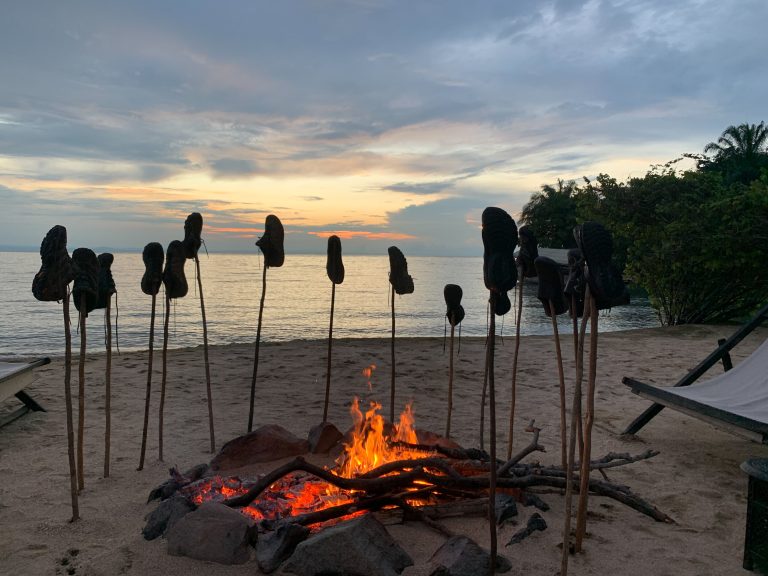
Which Beaches Can You Visit Along Lake Tanganyika?

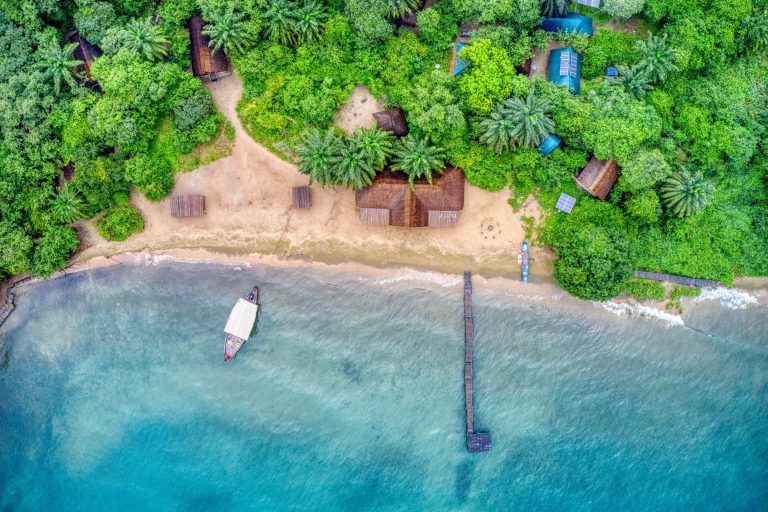
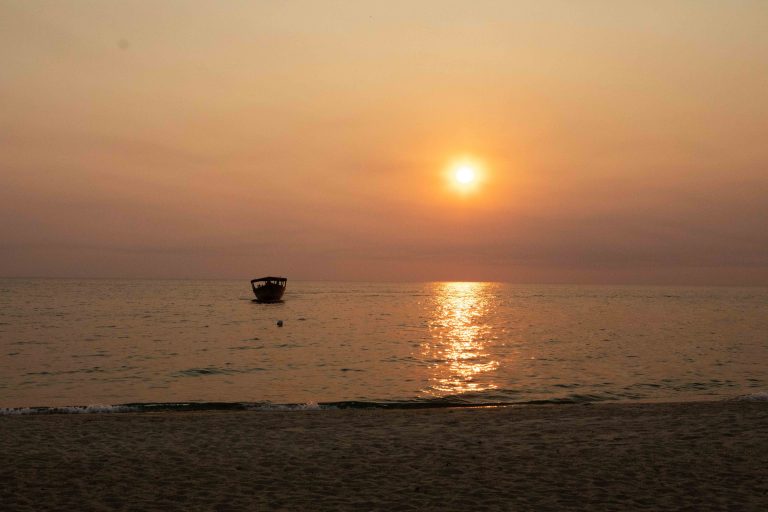
The beaches you can visit along Lake Tanganyika in Mahale are the camp beaches at Kangwena and the neighbouring lodge shoreline, plus a string of small sand coves between rocky headlands reached by boat, and the beaches at park headquarters.…
Read more

What Are the Top Reasons to Visit Mahale?

The top reasons to visit Mahale are trekking the habituated M group chimpanzees, swimming and snorkelling in Lake Tanganyika the same afternoon, walking a park with no roads and almost no other visitors, climbing Mount Nkungwe, and watching the sun…
Read more

What Birds Can Be Seen in Mahale?

Mahale's bird list runs to somewhere between 337 and 398 recorded species, headed by African fish eagle, palm-nut vulture, giant kingfisher, crested guineafowl and Ross's turaco, with forest species making up the bulk and being far harder to spot. Birdwatching…
Read more

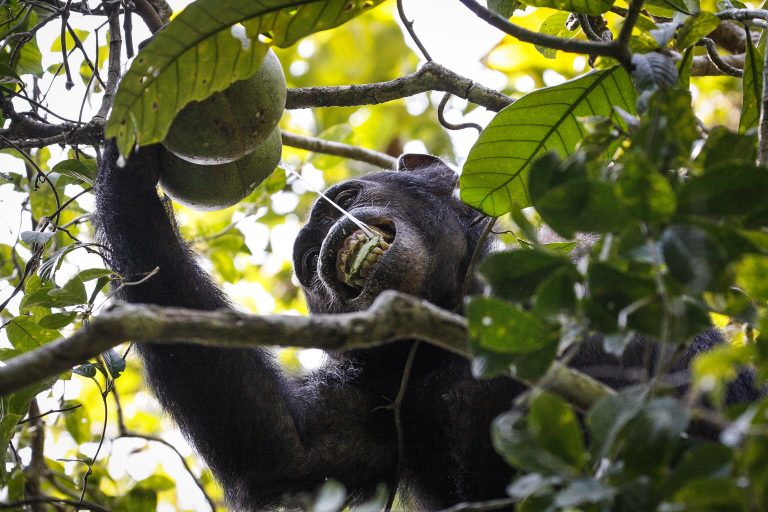
Which Other Wildlife Can Be Seen in Mahale?

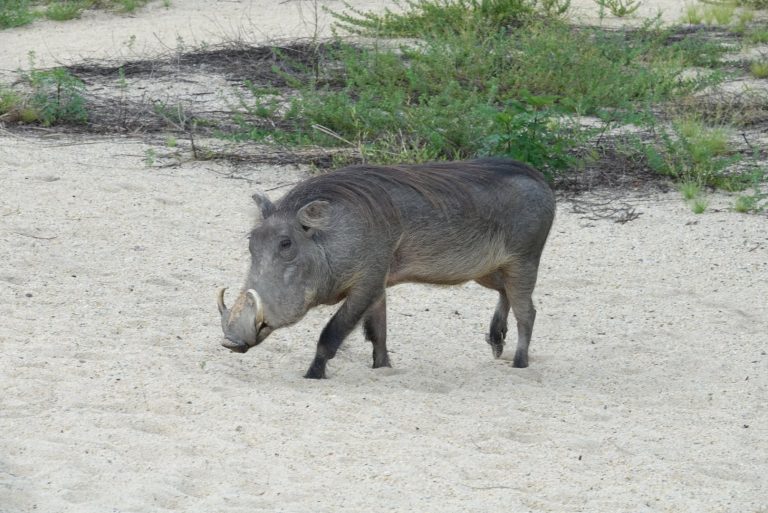
Beyond the chimpanzees, Mahale holds lions, leopard, buffalo, elephant, roan and sable antelope, bushpig, blue duiker, bushbuck, giant squirrel, porcupine, mongoose and over 300 bird species, though most are seen occasionally rather than reliably. Visitors come across them on forest…
Read more

What Conservation Projects Operate in Mahale?

Conservation in Mahale runs through the Kyoto University chimpanzee research project, Frankfurt Zoological Society's park support work, The Nature Conservancy's Tuungane project with Pathfinder International, and the Greater Mahale Ecosystem Research and Conservation Project, all working alongside Tanzania National Parks.…
Read more

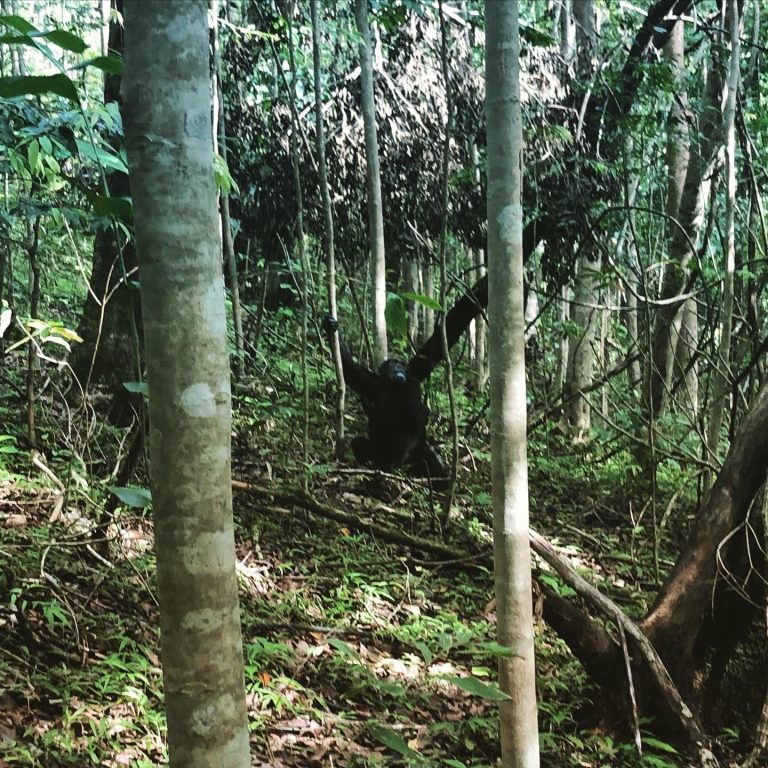
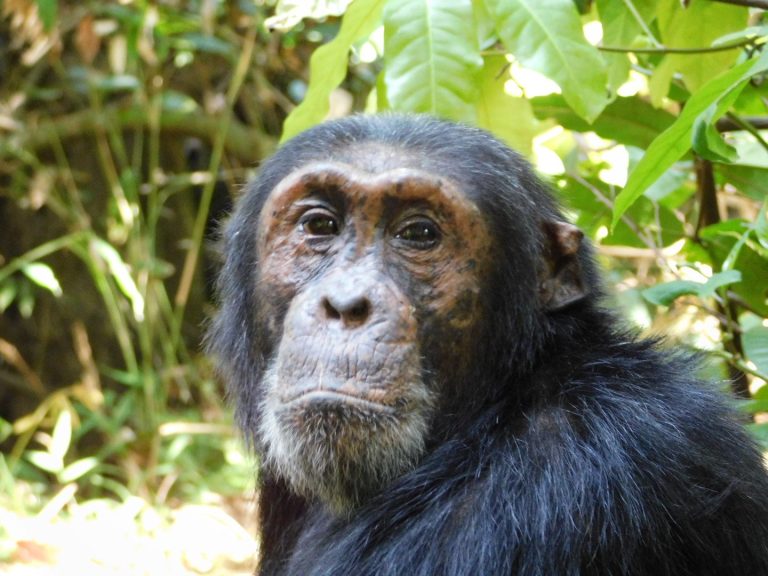
Which Primates Can You See in Mahale?

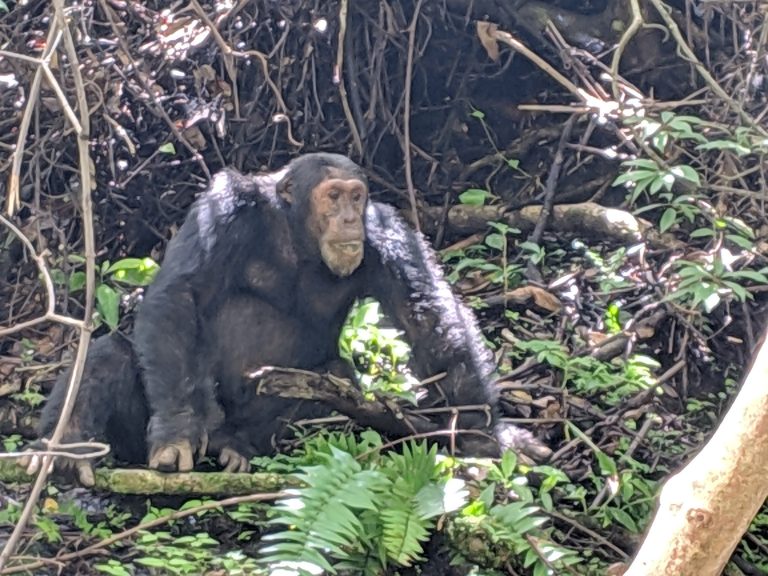
Mahale holds somewhere between eight and ten primate species, headed by eastern chimpanzees and including red colobus, Angolan black and white colobus, red-tailed monkeys, blue monkeys, vervets and yellow baboons. Visitors see them on chimpanzee trekking safaris and guided forest…
Read more

What Is the Weather Like in Mahale?

Mahale has a warm tropical climate with afternoon temperatures of around 26 degrees Celsius through the dry season, cool nights that can drop to about 14 degrees in June, and a wet season from November to April delivering afternoon thunderstorms…
Read more

Which Tour Operators Offer Mahale Safaris?

Mahale safaris are sold by four types of operator: the camp owners themselves, international specialists in African travel, Tanzanian ground handlers based in Arusha or Dar es Salaam, and small local operators working out of Kigoma. Almost every Mahale chimpanzee…
Read more